What is a Customer Data Platform (CDP) and how does it work?

What is a Customer Data Platform (CDP) and how does it work?

Whitepaper Customer Data Platform

What is it and how does our solution work?

Customer data is everywhere. Every click, purchase or newsletter subscription leaves a trail that can provide valuable insights. Yet many organizations struggle with the question:how do you bring all that information together into one clear picture of your customer?

The solution lies in smart organization of customer data. Where marketers used to rely on separate systems and manual reports, there is a growing need for one central point where all customer information comes together. That's exactly where the Customer Data Platform (CDP) comes in. A CDP brings all that information together in one conveniently arranged environment, forming the basis for modern, data-driven marketing.

In this article, you will discover what a Customer Data Platform is, why it is playing an increasing role and how organizations are strengthening their marketing with it.

What exactly is a Customer Data Platform (CDP)?

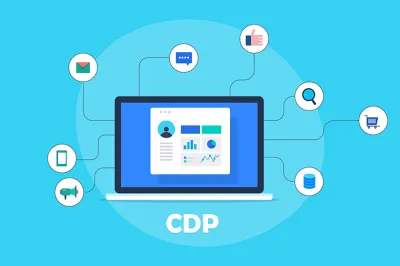
A Customer Data Platform is software that collects customer data from various sources, brings it together in a single platform and makes it accessible to marketing, sales and service teams. The goal is to connect separate data points into one complete customer profile that continuously moves with the customer journey.

A CDP thus forms the heart of data-driven marketing. Where traditional systems often operate independently, a CDP brings all the data together into one complete and up-to-date customer view. This allows companies to communicate personally, relevant and consistently through every channel.

Example: Suppose a visitor in a web shop views running shoes and later signs up for the newsletter. The CDP links these actions to a single profile and recognizes that it is the same person. With each new interaction, such as opening an e-mail or making a purchase, that profile is automatically enriched with information about preferences, behavior and interests.

In this way, organizations get an ever sharper picture of customers, they can segment target groups in a more focused way and thus better tailor marketing campaigns to behavior and preferences.

The story behind the creation of the CDP

The idea of a central data platform is not new. In the 2000s, many organizations were already working with marketing databases and CRM systems. While these collected customer information, they were not built to combine real-time data from multiple sources.

With the rise of digital channels, mobile apps and social media, the need arose for a platform that could collect all customer interactions in one environment. Thus was born the Customer Data Platform: a technology that allows companies to manage current customer data independently, without depending on IT departments.

Over time, CDPs have evolved into an integral part of the marketing infrastructure and are routinely combined with artificial intelligence. This development has made it possible to combine and analyze vast amounts of different types of data, allowing CDPs to enable organizations to conduct marketing that is more relevant, personalized and tailored to individual customers than ever before.

How does a Customer Data Platform work?

A CDP works in three main phases: data collection, data aggregation and data activation. Each phase contributes to creating a complete customer view and improving communication.

1. Collecting data

A CDP collects data from a variety of sources, such as websites, CRM systems, e mail, POS systems, mobile apps and social media. First-party data plays a particularly important role in this, as it comes directly from customers. In addition, data from partners or external parties can also be added to further enrich the customer's profile.

In this phase, it is important that all data sources are properly linked to the CDP. Consider also an ERP (enterprise resource planning) system, which often contains valuable information about orders, inventory or invoicing. By integrating these types of systems andunlock data, creates a complete and reliable customer view.

The three main types of data are:

  • First party data: Data collected directly from customers, such as through purchases, newsletter subscriptions or website visits. This information often includes identity data (such as name, e mail address and age) and behavioral data (such as products viewed or shopping baskets).

  • Second party data: Data from trusted partners, such as suppliers or collaborating brands. This often involves carefully shared first-party data, for example interaction data such as social media behavior, click behavior or response to joint campaigns.

  • Third party data: Data that comes from external platforms or data agencies, usually collected through cookies or other tracking methods. This information provides insight into broader audience characteristics, such as interests, online behavior or brand preferences.
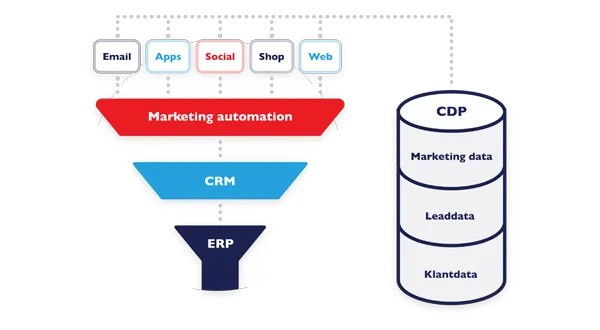
2. Data merging

After collecting data, the CDP combines all data sources into one central system. In the process, different data points are linked together so that information from diverse channels comes together in one clear customer view.

This creates a360 degree customer profile: a complete and up-to-date overview of each customer, bringing together all interactions and preferences. As someone progresses through the customer journey, this profile is automatically enriched with new data, such as additional purchases or changing interests. The result is a dynamic customer view that forms the basis for segmentation, analysis and personalization, so that marketing teams are always working with up-to-date and relevant information.

3. Activate data

In the final phase, the collected data are transformed into action. The profiles from the CDP are used to build customer segments, personalize campaigns and generate insights.

A Customer Data Platform interfaces directly with marketing tools, advertising platforms, email software andmarketing automation systems. Thus, data is not only stored but also actively used. Thus, companies can feed automated campaigns with up-to-date customer information, communicate in a targeted manner with different target groups and continuously improve the effectiveness of their marketing.

Why is a Customer Data Platform important?

Without a central data solution, marketing remains fragmented. Departments work with their own systems, dividing data and making it difficult to form a complete picture of the customer.

A Customer Data Platform breaks through these silos and brings all the data together in one environment. Key reasons why a CDP is essential:

  • Customer expectations are increasing
    Customers today expect a personalized and consistent experience on every channel. A CDP makes it possible to leverage all customer data and tailor communications to behavior and preferences, regardless of the channel of contact.

  • Resolving data fragmentation
    In many organizations, customer information is scattered across different systems. A CDP brings this data together, allowing marketing, sales and service to work with the same up-to-date data. This prevents errors and speeds up decision-making.

  • Privacy and management of proprietary of data
    Stricter privacy laws (AVG) and browser restrictions are causing third-party cookies to slowly disappear. This makes it increasingly important to work with reliable first-party data that you collect and manage yourself. A CDP helps with this by organizing customer data securely and centrally.

Key Features of a Customer Data Platform

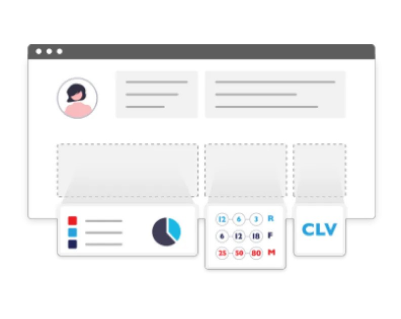
Building 360 degree customer profiles

Combining data from different channels creates a complete picture of the customer. The profile is constantly supplemented with new information so that every interaction is based on current data. These profiles form the basis fortargeted segmentation. Customers can be categorized by behavior, preferences and their stage in the customer journey. This allows each message or campaign to better match where someone is, from initial orientation to repeat purchase.

360 degree customer view

Real-time insights

Through clear dashboards, marketers get real-time insights that allow them to adjust campaigns immediately. By performing analyses on the customer base, trends can be discovered, new target groups created and improvements made to the customer journey.

A CDP supports this process in several ways:

  • Improve acquisition : By analyzing behavior and characteristics of existing customers, lookalike target groups can be built and new customers targeted more effectively.

  • Increase retention: By tracking signals from existing customers, such as recurring purchases or declining engagement, targeted actions can be used to strengthen the relationship.

Thus, the platform helps identify promising segments and improve the effectiveness of marketing activities.

Dynamic campaigns and content

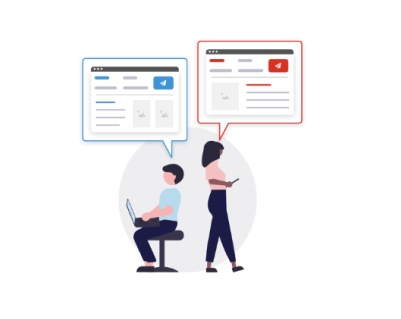
With up-to-date customer profiles, a CDP can automatically display personalized content, from e mail recommendations to dynamic website content. Each message thus better matches the stage the customer is in. By combining this personalization with real-time insights, campaigns can be continuously tested and improved.

ViaA/B testing different variants can be compared, revealing which message, timing or channel works best. This keeps campaigns relevant, effective and tailored to customer needs.

dynamische campagnes en content

Integration with marketing tools

The CDP acts as a connecting layer between different systems. It easily interfaces with e-mail software, advertising platforms, CRM systems and analytics tools so that data can be exchanged effortlessly.

These integrations allow segments and customer profiles to be used directly in automated campaigns.Marketing automation tools then turn this data into personalized e mails, ads or messages at the right time in the customer journey. The results are automatically fed back to the CDP, continuously enriching profiles. This creates one cohesive ecosystem in which all tools work together based on the same up-to-date customer data.

Benefits of a Customer Data Platform

One central customer view for targeted communication

A CDP collects and links data from all sources into one up-to-date customer profile. This gives organizations a complete picture of behavior, preferences and interactions across all channels. This makes it possible to make communications more personal and consistent, tailored to the stage in the customer journey.

Build a strong and future-proof data strategy

A CDP ensures consistent, up-to-date and AVG-proof data that is centrally managed. By working with reliable first-party data, organizations remain less dependent on third-party cookies and more compliant with privacy laws. Moreover, the platform grows with the organization and connects seamlessly to new data sources or marketing tools. Thus, the CDP forms the basis for a sustainable, future-oriented data strategy.

Work smarter and faster with a user-friendly platform

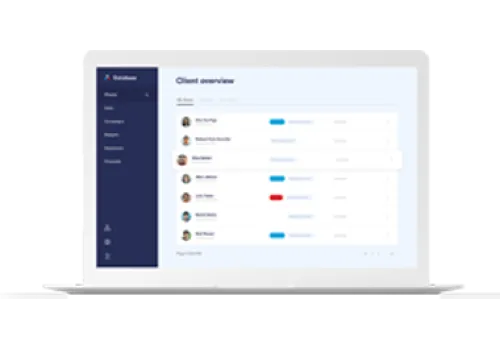
A CDP is designed to allow marketers to work independently and purposefully. Processes such as segmentation, activation and reporting are largely automated, saving time and preventing errors. Thanks to the clear drag-and-drop interface, users can easily analyze data, manage audiences and optimize campaigns without technical knowledge. This makes working with data faster, smarter and more effective.

Omnichannel marketing with more impact

With one central data source, companies can reach customers across channels with one consistent message. Whether it's email, website, advertisements, SMS or social media, all communication is better aligned with the customer's context. This contributes to a recognizable and cohesive brand experience.

Make data your competitive advantage

Organizations that use customer data effectively can better respond to needs, target campaigns more effectively and strengthen customer relationships. This leads to higher customer satisfaction, increased loyalty and a strong position in the marketplace.

Differences between a CDP and other data platforms

There aredifferent platforms that help organizations manage customer data. Although these platforms sometimes have overlapping functions, they differ greatly in purpose, use and capabilities.

A Customer Data Platform (CDP) stands out because it brings together data from all these sources, structures them and makes them directly usable for marketing activation. The explanation and table below show how a CDP compares to other commonly used data platforms.

Platform

What it does

How it differs from a CDP

CRM (customer relationship management) system.

Manages customer relationships, contact information and sales information.

Focuses primarily on sales, while a CDP adds behavioral data and creates a complete customer view for marketing.

DMP (Data Management Platform).

Uses anonymous data, often via cookies (third-party data) for advertising purposes.

A CDP works with identifiable first-party data and supports long-term, personalized customer relationships.

Marketing Database

Stores customer information for marketing purposes, often static and not real-time.

A CDP combines data from multiple sources into one up-to-date customer profile that can be used directly in campaigns.

Datalake

Stores large amounts of raw data for analysis by data analysts

A CDP makes data instantly accessible and usable for marketers sans technical knowledge.

Data warehouse

Stores structured, historical data for reporting and analysis.

A CDP works with real-time data and focuses on activation and personalization in marketing.

Customer Data Platform in B2B and B2C

The core of a CDP is the same in every industry: creating a unified customer view. Yet the application differs between B2C and B2B.

B2C (Business-to-Consumer)
In B2C, it's all about large numbers of consumers. The CDP links behavioral data, preferences and purchases to provide personalized offers. Think dynamic emails or website adjustments based on recent activity.

B2B (Business-to-Business)
In B2B, companies work with multiple contacts per account. A CDP links this data together into a single company profile. That helps marketing and sales execute account-based marketing strategies, targeting all decision makers within an organization on a tailored basis.

In either case, a CDP provides better insight, more relevant communication and higher conversions.

How to choose the right Customer Data Platfrom (CDP)

Choosing the right Customer Data Platform starts with a clear plan. Note the following steps:

  1. Define your objectives and use cases : What do you want to achieve with a CDP? Do you want to target customers more specifically based on behavior, or rather gain insight into the entire customer journey?

  2. Check integrations : Does the CDP connect to your existing tools? Check if it can interface with systems such as your CRM, e mail software or marketing automation platform.

  3. Choose between self-service or customization: How much technical support do you need? A self-service CDP is user-friendly and quick to deploy, while customization offers more flexibility for complex data flows.

  4. Assess cost and scalability: What is your budget and how does the platform grow with it? Pay attention to pricing models based on data volume, number of profiles or desired functionalities.

  5. Usability: Can marketing teams work independently with the platform? A good CDP provides clear dashboards and a drag and drop interface that allows data, segments and campaigns to be easily managed without depending on IT.

What does a Customer Data platform cost and what does it deliver?

The cost of a CDP varies by vendor and depends on licensing, implementation, integrations and maintenance. Most platforms operate on a subscription model, based on the number of customer profiles or the amount of data.

The value often becomes apparent quickly:

  • Higher conversions: Through personalized communications and better-timed campaigns.

  • Lower media costs: Less waste thanks to targeted targeting.

  • Stronger customer loyalty: Consistent experiences increase trust and repeat purchases.

Ternair's Customer Data Platform

At Ternair, we look beyond technology. We guide B2B and B2C organizations in the strategic use of their data: from goal setting to making the most of customer information at every stage of the customer journey. By combining the CDP withmarketing automation creates a powerful foundation for data-driven campaigns that automatically respond to behavior, preferences and timing.

Ternair's flexible data model makes it easy to connect all your data sources. No complex links, but one smoothly functioning whole in which data is central and every contact moment is the360 degree customer view amplified.

As a Dutch organization, we combine reliable technology with personal guidance. Our experts think along, help with implementation and ensure that data is not only collected, but actually contributes to better customer relations, more efficient marketing and measurable growth.

FAQ

Frequently asked questions about the Customer Data Platform

How quickly do you see results from a CDP?

The first results of a Customer Data Platform are often visible within weeks. Once data sources are linked, marketers gain instant insight into customer behavior and can better personalize campaigns. In the long run, this leads to higher conversions and more efficient marketing.

Is a CDP easy to implement?

The implementation of a CDP is usually fast, especially when existing data sources are well established. Thanks to the flexible data model and ready-made links, the platform can be up and running in a short time. Most vendors offer guidance to make integrations run smoothly.

Who is a customer data platform suitable for?

A CDP is suitable for any organization that wants to get more out of customer data. Both small businesses and large enterprises benefit from the ability to bring together data from different sources into a single view.

Whereas smaller organizations can make quick strides in personalization and efficiency, larger companies use a CDP to combine complex data sources and personalize campaigns on a large scale. In both cases, this creates one complete and up-to-date customer view that strengthens marketing.

How does a Customer Data Platform contribute to marketing automation?

A CDP forms the basis formarketing automation by centralizing customer data and creating real-time segments. This allows marketing tools to automatically send personalized messages at the right time in the customer journey. This makes campaigns smarter and more relevant.

Why use a CDP platform?

A Customer Data Platform helps organizations collect, combine and activate customer data. This creates a single up-to-date customer view that makes communication more personal, efficient and measurable. The result: higher conversions, increased customer loyalty and a stronger marketing strategy.

Download whitepaper

Customer Data Platform: what it is and how our solution works

Do you want to know more about how we handle your data? Read our privacy statement.